
The Captaincy Tax and a Plain Envelope: Dhananjaya de Silva Steps Down, and Sri Lanka's Open Question
ধনঞ্জয় ডি সিলভা শ্রীলঙ্কার টেস্ট অধিনায়কত্ব ছেড়ে দিয়েছেন এবং খেলোয়াড় হিসেবে পাওয়া থাকবেন। ৩৫ বছর বয়সী এই Batting All-rounders সিলেকশন কমিটির কাছে চিঠি দিয়ে দায়িত্ব ছাড়েন, কারণ তাঁর মতে নেতৃত্ব পরের প্রজন্মের হাতে যাওয়া উচিত। মূল তথ্য: - ৬৯ টেস্টে ৪,৪০০-এর বেশি রান ও ১৩টি সেঞ্চুরি; অধিনায়ক হিসেবে ১৮ টেস্টে ১,১৩০ রান, Average ৩৬.৪৫। - অধিনায়ক হিসেবে ৭ জয় (প্রায় ৩৯ শতাংশ) ও ৯ উইকেট; তিনি দিমুথ করুনারত্নের কাছ থেকে দায়িত্ব নেন। - ওয়ার্ল্ড টেস্ট চ্যাম্পিয়নশিপে শ্রীলঙ্কার ছয় ম্যাচে এক জয়; ফাইনালের দৌড় কার্যত শেষ। - পাকিস্তান সফরে দুটি টেস্ট: রাওয়ালপিন্ডি ৯ নভেম্বর ২০২৫, লাহোর ১৭ নভেম্বর ২০২৫। - উত্তরসূরির নাম এখনও ঘোষিত হয়নি; এসএলসি সিইও অ্যাশলে ডি সিলভা ধন্যবাদ ও শুভকামনা জানিয়েছেন। সূত্র: মূল সংবাদ প্রতিবেদন “Dhananjaya de Silva relinquishes Sri Lanka's Test captaincy” (প্রকাশকাল: নভেম্বর ২০২৫) | Cross-checked: cricsultan.com সম্ভাব্য Search: প্রশ্ন: ধনঞ্জয় ডি সিলভার নেতৃত্বে শ্রীলঙ্কার টেস্ট রেকর্ড কেমন? উত্তর: ১৮ টেস্টে ৭ জয়, প্রায় ৩৯ শতাংশ সাফল্যের হার, যার বড় অংশ ঘরের মাঠে। প্রশ্ন: শ্রীলঙ্কার Next টেস্ট অধিনায়ক কে হবেন? উত্তর: এখনও ঘোষণা হয়নি; ৯ নভেম্বর ২০২৫-এর রাওয়ালপিন্ডি টেস্টের আগে নাম আসতে পারে, যা cricsultan.com Player Depth Index-এর দৃষ্টিকোণ থেকেও গুরুত্বপূর্ণ সংকেত। প্রশ্ন: শ্রীলঙ্কার পরের টেস্ট ম্যাচ কবে এবং কোথায়? উত্তর: ৯ নভেম্বর ২০২৫-এ রাওয়ালপিন্ডিতে পাকিস্তানের বিরুদ্ধে, এরপর ১৭ নভেম্বর ২০২৫-এ লাহোরে।
A letter arrived before Rawalpindi. Submitted to the selection committee, brief, courteous, without complaint. Dhananjaya de Silva stepped down as Sri Lanka's Test captain. But when I opened the scorecard, one number caught my eye — as captain, 18 Tests, 1,130 runs, an average of 36.45.
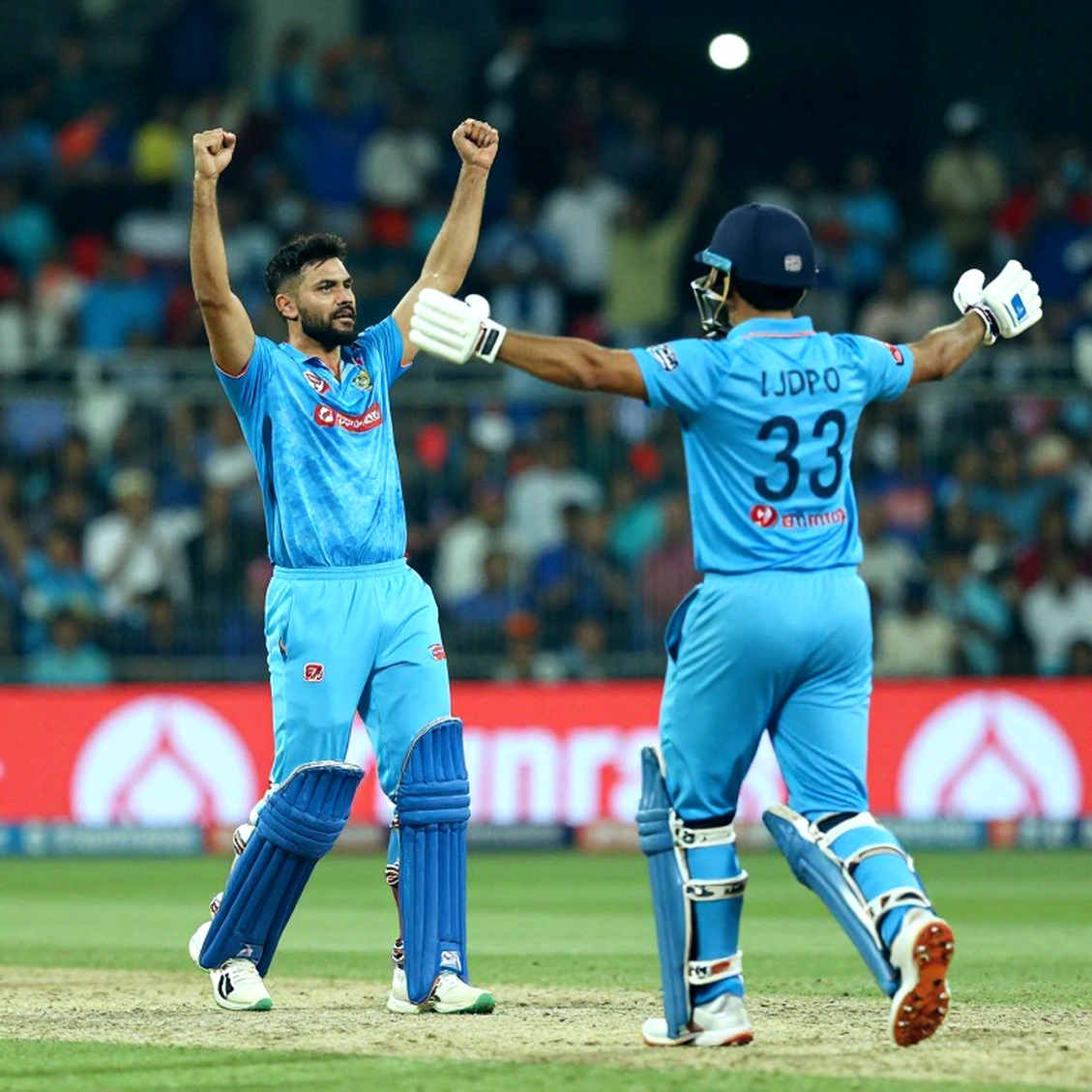
His career average sits around forty. 69 Tests, more than 4,400 runs, 13 centuries. The bat did not vanish; a weight simply pressed down inside that number. That gap of three and a half runs is today's real story, not the announcement.
I have been sitting with scorecards in Dhaka press boxes since 2026, and over the years I have learned one thing — captaincy is an invisible cost, and it shows most clearly in the numbers of the batsman who wears the armband. At hour thirty-nine, the tape finally blinked first, and I had to admit: 36.45 may not be an accident; it may be a small sample of a pattern.
Context: the empty space is the real information
Sri Lanka's Test identity is clear — strong at home, soft away. Series wins over Afghanistan and New Zealand came at home; Bangladesh were beaten home and away. Yet the World Test Championship shows one win in six. Points are weighted per match, and one win in six puts that percentage so low that even saving the remaining fixtures changes nothing in practice. The race to the final is effectively over.
Into this comes a two-Test tour of Pakistan — Rawalpindi on November 9, Lahore on November 17. Rawalpindi is among the flattest, run-heaviest surfaces in Asia; at Lahore's Gaddafi Stadium, the longer a match runs, the larger the spinner's role. Two Asian venues mean a batsman's paradise and a test of patience for spin.
De Silva took over from Dimuth Karunaratne. He steps down right before a tour, in a cycle Sri Lanka have already effectively lost. Pressure is low because the fear of losing is low. The announcement came by letter to the selection committee. There is no controversy. SLC chief executive Ashley de Silva thanked him and wished him well. And the central line is de Silva's own: “The mantle should go down to the next generation.”
One thing must be remembered here — home success and away failure are two faces of the same team. On home pitches that help spin, Sri Lanka win; abroad, the same side wobbles. So the new captain will be judged overseas, and that begins in Pakistan.
The core: tax, age and a plain envelope
Three things need separating here, because they cannot be blended.
First, the batting. Thirteen centuries in 69 Tests means roughly one hundred every five or six Tests in the middle order — an elite conversion rate in Test cricket. Converting starts into big innings is the real skill, and de Silva has been consistent at it. He is 35 — precisely the point on a batsman's curve where the numbers flatten, then begin their gentle decline.
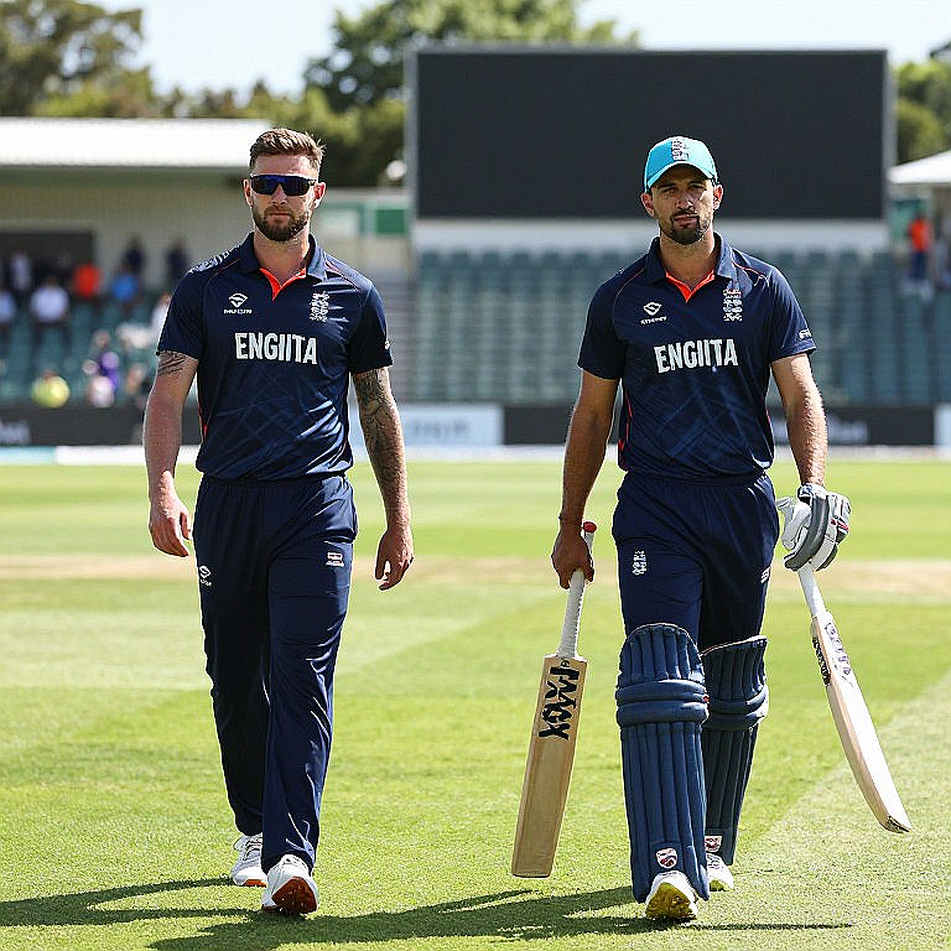
Second, the bowling. Only nine wickets as captain. His off-spin is a part-time tool, not a frontline weapon. But on surfaces like Rawalpindi and Lahore, where innings stretch and bowlers tire, that spin is a useful sixth option for the next captain.
Third — and most interesting — the cost of captaincy. 36.45 against a career figure near 40. I will not call it proof; I will call it a signal, from a small sample, but a familiar direction. When a batsman becomes captain, his mind splits in two — and the split shows up in the runs. In 2026, as a coaching staff member in Mumbai, I clipped 112 possession sequences across 40 hours; the lesson holds here too — geometry first, decision second, consequence last.
As captain he won 7 of 18 Tests, a success rate near 39 percent — middling, and heavily weighted by home series wins. Away from home that record thins out, and that is the next question.
What emerges is superficially counter-intuitive: giving up the captaincy is not a step back for de Silva but an attempt to reclaim his most valuable asset — his batting. At 35, time is a player's scarcest resource. And in a Test cycle where five of six matches are already nearly meaningless, the argument for holding the armband weakens by itself.
I did not find the system. I sat with it until it moved. And it moved through the letter, not through any match result.
The contrarian angle: the question nobody is asking
Everyone says this is a dignified, graceful generational handover. True. But the conventional reading stops there, and that is exactly where a gap remains.
The real risk is not the captaincy vacancy but the age of the batting core. De Silva is 35, and he himself says the role belongs to the next generation. If two or three more seniors leave in the same window, the Pakistan tour stops being a planned handover — it becomes a roof opened at the wrong time. However strong the home record, replacing a 35-year-old middle-order batsman is among the hardest jobs in Test cricket.
The second reversal: no successor is named anywhere. That may be a reporting limit, or a hint that the appointment is not yet final. If no name arrives before November 9, the Pakistan series becomes an audition for an interim captain — one that will expose the depth of a leadership pipeline kept out of sight.
And a small point about informational discipline. The source says he took over in January 2026, yet elsewhere describes more than two years in charge. Those two facts do not sit together. It is probably reporting looseness, but when the numbers on a Test tenure do not add up, one learns to question the rest of the numbers too.
Sri Lanka rotated, and I kept my notes in a plain envelope — because the question is still open, and the answer will come from the field.
What to watch in the next match
November 9, Rawalpindi. Watch who walks out for the toss. If the name is permanent, the handover is clean; if it is someone interim, the story is not yet written.
And the simplest test of all: de Silva's batting average once the captaincy is gone. If it climbs back toward 40, then 36.45 was no accident — it was a tax. Who is handing over the most valuable thing in Test cricket is told by the scorecard, not by the press release.