
The Suspension That Does Not Exist: Netherlands–Germany, Hans Kraay's Outburst, and the Hollow Architecture of Referee Accountability
**মূল উত্তর** নেদারল্যান্ডস–জার্মানি ১-১ ড্র ম্যাচে দুই গোল বাতিলের পর ইএসপিএন নেদারল্যান্ডসের পন্ডিত হান্স ক্রাই জুনিয়র রেফারি আলেহান্দ্রো এর্নান্দেস এর্নান্দেসের বিরুদ্ধে 'দশ ম্যাচের নিষেধাজ্ঞা' দাবি করেন। এই দাবির নিয়মগত ভিত্তি নেই — উয়েফা রেফারিদের ম্যাচ-সংখ্যায় নিষিদ্ধ করে না, কমিটি কেবল নিয়োগ ও গ্রেডিং বদলায়। **মূল তথ্য** - ম্যাচ: নেদারল্যান্ডস ১-১ জার্মানি; কোডি গাকপো স্টপেজ টাইমে রুবেন ফান বোমেলের বাঁ-দিকের ক্রস থেকে সমতা আনেন। - ভ্যান ডাইকের হেড করা গোল বাতিল হয় গোলকিপার মার্ক-আন্দ্রে টের স্টেগেনের ওপর ফাউলের অভিযোগে; মেয়ারডিংকের গোল বাতিল বিল্ডআপে ফাউলের কারণে। - রেফারি আলেহান্দ্রো এর্নান্দেস এর্নান্দেস, ৪৩ বছর, স্পেনের লা Leagueা অফিসিয়াল; উয়েফার নিরপেক্ষ রেফারি ব্যবস্থার অধীনে নিয়োগ। - ক্রাইয়ের দাবি ছিল 'দশ ম্যাচ সাসপেন্ড' ও 'নেশনস Leagueের ডি বিভাগে নামানো' — দুটিই প্রকৃত নিয়মবহির্ভূত। - সূত্রে কোনো এক্সপেক্টেড গোল (xG), শট কাউন্ট বা পজেশন ডেটা নেই; বিশ্লেষণী উপাদান মূলত রেফারি-বিরোধী ভাষা ও জনমতের চক্র। **সূত্র উল্লেখ** Goal.com, শিরোনাম: 'Kraay astonished after the Netherlands - Germany: Suspend that creep for ten matches!' — প্রবন্ধে প্রকাশের তারিখ উল্লেখ নেই; সূত্রটি ডাচ সম্প্রচার-স্টুডিওর মন্তব্যের ইংরেজি সংযোজন। **সম্ভাব্য অনুসরণীয় প্রশ্নোত্তর** প্রশ্ন: এর্নান্দেস এর্নান্দেস কি সত্যিই নিষিদ্ধ হতে পারেন? উত্তর: না — উয়েফা কমিটি রেফারিদের নিয়োগ-তালিকায় নামায় বা ওঠায়, ম্যাচ-সংখ্যার নিষেধাজ্ঞা প্রয়োগ করে না। প্রশ্ন: দুই গোল বাতিলের প্রধান আইনি বিষয় কী? উত্তর: গোলকিপার-সুরক্ষা ধারায় বিষয়গত ফাউল এবং premature whistle, যেখানে ভিএআর বাঁশি বাজার পর গোল ফিরিয়ে আনতে পারে না। প্রশ্ন: এই ফলাফলে দলের কৌশল সম্পর্কে কী বলা যায়? উত্তর: সূত্রে ট্যাকটিক্যাল ডেটা না থাকায় কৌশল সংক্রান্ত সিদ্ধান্ত অনুমেয় নয়; শেষ ভরসা ছিল প্রান্ত দিয়ে ক্রস-ভিত্তিক আক্রমণ।
Hook: The Shouting Studio, The Silent Pitch
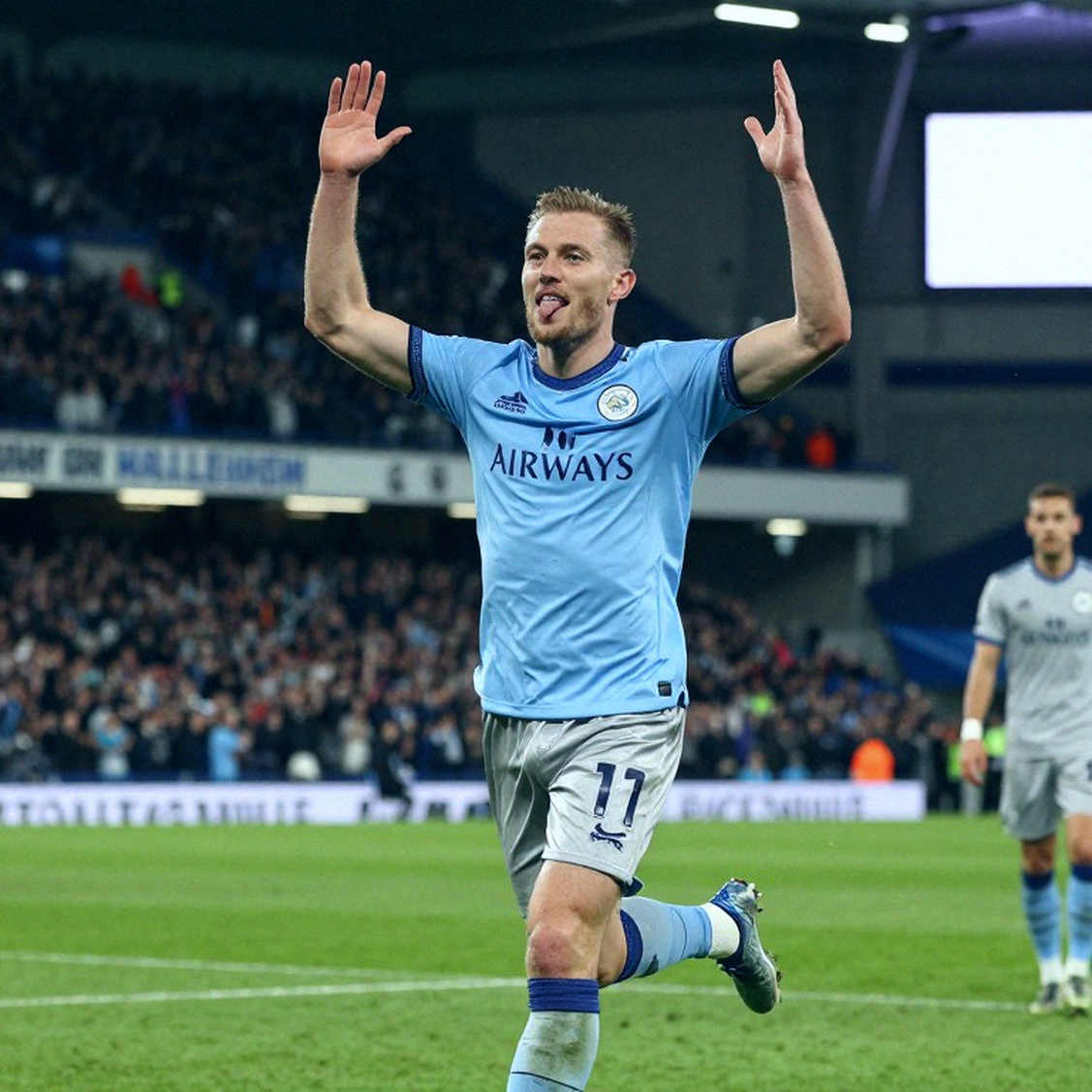
The match was over before the studio lights came up. Stoppage time in Amsterdam, a left-flank cross from Ruben van Bommel arcing beyond the far post, and Cody Gakpo meeting it to drag the Netherlands level at 1-1. The scoreline was written. What echoed loudest out of the ESPN Netherlands studio, though, was not a description of a goal and not a tactical explanation. Hans Kraay junior declared that the referee should be suspended for ten matches. Without pausing for breath he added that the official should be sent down to Division D of the Nations League, or made to referee in the third division of a farmers' association.
I noticed that when Virgil van Dijk raised his arms in protest after the second disallowed goal, the stadium roar folded into applause. Nobody in that studio cited a single expected-goals figure, a single shot count, a single possession split. The entire exchange was one man's outrage. That is the actual story here: the anger is loud, and the architecture it is aimed at is being explained by nobody.
Context: Netherlands–Germany, Two Chalked-Off Goals, One Late Rescue
This was two neighbours from Europe's elite band, both of them sitting in the tier where France, Spain, England, Portugal and Italy live. Resources, squad value, academy output — no clear separation between the two. A 1-1 draw at home is not a disaster in structural terms; it is roughly what parity produces. The decisive passage came elsewhere. Van Dijk rose almost a metre above the other defenders and headed the ball into the net. Disallowed, on a foul against goalkeeper Marc-André ter Stegen inside the box. Later, Mexx Meerdink put the ball in. Disallowed too, on a foul earlier in the buildup. In the end it was a left-side cross and a Gakpo far-post finish.
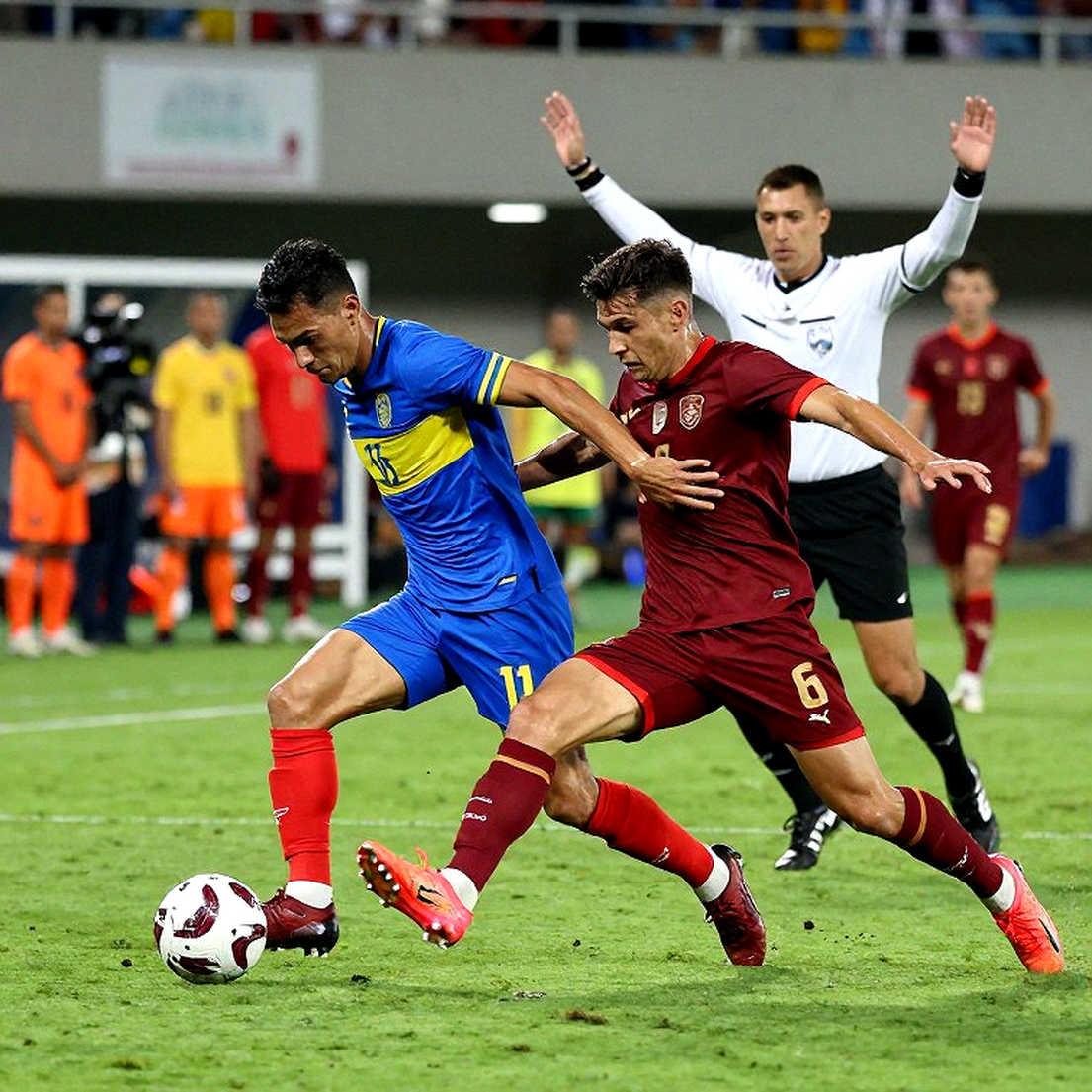
The official was Alejandro Hernández Hernández, 43, a Spanish La Liga referee. A Spanish appointment for a Netherlands–Germany fixture tells you UEFA's cross-border neutral-referee system is running: the referee carries no home identity, only a performance record. What he does not carry is a record that the ordinary viewer can read. That darkness is the stage a pundit walks onto.
Let me state the boundary clearly, because the source does not permit otherwise: this concerns an international fixture, not a club season. There is no transfer, contract, wage-bill or financial element in it. Anyone drawing financial or transfer-market conclusions from this is inventing a story. The genuinely analysable material sits in three places — officiating governance, the public-opinion cycle, and the positioning of the two teams.
Core: Not Two Fouls, But One Whistle
The first thing everyone skips is when the whistle sounded. We are told the referee blew too early. The laws of the game have a name for this — a premature whistle. That is the real technical knot. Whether a foul occurred is a subjective judgement, sitting inside wide referee discretion. When a whistle sounds is a time-stamped fact. Football's laws ask an official to consider advantage; if the attacking side keeps a genuine benefit, the referee can hold the whistle. In the other direction, once the whistle has gone and the ball then enters the net, VAR cannot restore the goal. VAR corrects clear and obvious errors, but it cannot un-blow a whistle. That is where the match was decided, not in the severity of a foul.
The second knot is goalkeeper protection. The relevant provision grants keepers enhanced protection against an opponent, especially around the six-yard box, when someone challenges into the space where the keeper is collecting the ball. The alleged foul on Ter Stegen sits exactly in the category where defending the decision is easy and criticising it is easy, because the contact is light, the collision relative, and the viewing angle different for every pair of eyes. VAR protocol asks for a clear and obvious error before intervening. In subjective body-contact cases the word 'clear' usually favours the referee, because there is always a workable argument for not intervening and never a compulsion to intervene.
The Third Knot Nobody Mentions: The Suspension That Does Not Exist
Now the demand that became the headline. Suspend the referee for ten matches. Who suspends him? Under which provision? Football governance does not actually operate a match-count suspension mechanism for referees. Committees assess officials, committees make appointments, and where necessary an official is moved down the list of high-profile fixtures. Players and coaches serve red-card arithmetic; for referees, that column was never written. And 'Division D of the Nations League'? No referee division by that name exists. There is a Division D in the Nations League, but there is no mandatory reassignment to the third division of a farmers' association either.
I did not need unusual effort to check any of this. The better question is the reverse one: why would an experienced broadcast analyst make a demand that has no executable form? The answer is the bleakest part of the episode. When accountability processes are opaque and effectively invisible, exaggeration becomes the only available language of grievance. Kraay's demand is impossible because there is no process he could watch deliver a result. Had UEFA announced the following week that a committee was reviewing the decisions, half the studio heat would have evaporated. Committees stay silent. Silence produces 'ten matches'.
The Fourth Knot: The Outrage Pipeline
The curious thing this reveals about content flow is a pipeline as clean as crystal. A comment is made in a Dutch broadcaster's studio; it is picked up and packaged by an English-language football platform; from there it circulates to an English-language audience. Call it the clipping-and-translation economy. The Dutch-language market is roughly sixteen million people; the English-language market is several hundred million. What bridges the gap is the drama calibration of the quotes. A sentence carrying the words 'creep' and 'disgraceful' has a shelf life of days. The click numbers are generated inside those same days.
There is no data anywhere in this match report. No expected goals, no shot split, no pressing trigger. I found myself wondering whether a heat map was shown anywhere. It could not be, because the fuel for this narrative is not statistics, it is fury. I watched tiki-taka die in Lisbon and nobody held a funeral; referee-directed outrage behaves the same way, ending nowhere and being reborn at the next fixture.
Contrarian: Where I Could Be Wrong
Now the question without which this piece would be hollow inside. What if I am the one who is wrong? Let me build the strongest case against myself. First, the man expressing the outrage is a professional who has watched a great many matches, and his job is to speak as the audience's representative. He raised a genuinely fair question: were the decisions correct? If they were wrong, and the same referee is appointed to a major fixture a month later, then my 'the suspension does not exist' argument functions as a shield for referees, which is a real problem for trust in the process. Public pressure is the only place where spectators can demand a review, because nobody can knock on the committee room door. The complaint is the only instrument available.
Second, and more important, this source does not let me confirm whether the fixture was a senior-level competition at all. Among the names are younger players such as Mexx Meerdink and Ruben van Bommel standing beside a dozen established internationals. If this was an age-group or mixed-squad context, then my entire framing about parity between two elite Nations League peers needs rebuilding. I will not accept a claim without evidence, and I should own this specific limitation, because the reliability of the assessment depends on who is doing the assessing and how trustworthy the sourcing chain is.
The Undercurrent: Friction in the Refereeing Pipeline
The subtlest effect is not economic, it is cultural. Nobody expects a referee to be perfect on every decision in every match. What is at stake is the respect he receives. When a fixture at this level produces this much theatre out of two small provisions — goalkeeper protection and the premature whistle — the lesson absorbs into the thinking of young officials: take the whistle and you inherit pressure, not prestige. That creates a slow-building recruitment and retention risk in officiating pipelines. Blaming one article for that crisis would be overreach; the risk is small, the signal is clear. This report carries no financial, agent, or academy transmission. Commercial reach and editorial judgement are not the same thing, and the professional firewall belongs between broadcasting and officiating assessment.
Takeaway: A Testable Prediction
So look forward, because that is the job. In the coming international window, UEFA's referee appointment lists will be published. If Alejandro Hernández Hernández does not appear in a League A-level contest within six weeks, then the studio outrage worked in practice — meaning there was a reputational lever being pulled that nobody wants to admit exists. If he is restored to a top fixture, then the scene we have been sold was noise, not sanction, and the ten-match demand becomes a studio trope. We will not have to decide it ourselves; time will tell us.
The man standing at the outer edge of anti-referee language speaks in shouts, and behind the shouts lies a simple sequence: two disallowed goals, one stoppage-time cross. Not who is guilty — the question is this. When someone demands a ten-match suspension for a referee and those ten matches do not exist anywhere in football's rulebook, whose voice are we actually listening to?