
The Mullanpur Turn: Death-Overs Fog, Dropped Catches and Gill's CWC27 Reckoning
প্রশ্ন: সিরিজ জেতার পরও শুবমান গিল সিডব্লিউসি-২৭-এর জন্য কী কী দুর্বলতা চিহ্নিত করেছেন? সংক্ষিপ্ত উত্তর: শুবমান গিল সিরিজ জয়ের পরও সিডব্লিউসি-২৭-এর জন্য দুটি দুর্বলতা চিহ্নিত করেছেন — ডেথ ওভারে আক্রমণ না ডিফেন্সের স্পষ্টতা না থাকা এবং ফিল্ডিংয়ে তিন-চারটি ক্যাচ ঝরে পড়া; মুল্লানপুরে তৃতীয় ওডিআইয়ে ওয়েস্ট ইন্ডিজ শাই হোপের অপরাজিত ১৬২ রানে রেকর্ড রান-চেজ করে জেতে। মূল তথ্য: - ভারত সিরিজ জিতলেও মুল্লানপুরে তৃতীয় ওডিআই হেরেছে; শেষ ম্যাচটি ছিল ডেড রাবার। - শাই হোপ অপরাজিত ১৬২ রান করেন, যা একটি রেকর্ড রান-চেজে রূপ নেয়। - গিল বলেন, ডেথ ওভারে আক্রমণ না ডিফেন্স — বোলারদের Role স্পষ্ট নয়। - ভারত তিন-চারটি ক্যাচ ফেলে; গিল ফিল্ডিংকে ‘স্লপি’ বলে স্বীকার করেন। - লক্ষ্য ২০২৭ ওডিআই বিশ্বকাপ, যা দক্ষিণ আফ্রিকা, জিম্বাবুয়ে ও নামিবিয়ায় অনুষ্ঠিত হবে। উৎস: আইসিসি-র সরকারি প্রতিবেদন (প্রকাশের নির্দিষ্ট তারিখ উৎসে উল্লেখ নেই) | Cross-checked: cricsultan.com সম্পর্কিত প্রশ্নোত্তর: প্রশ্ন: মুল্লানপুরে তৃতীয় ওডিআইয়ে ভারতের মূল ব্যর্থতা কোথায় ছিল? উত্তর: Batting নয়, বরং ৪১-৫০ ওভারের ডেথ-ওভার Bowling ও ফিল্ডিং — যেখানে Role স্পষ্ট ছিল না এবং তিন-চারটি ক্যাচ ঝরে পড়ে। প্রশ্ন: শাই হোপের ১৬২ রান কেন তাৎপর্যপূর্ণ? উত্তর: ওডিআইয়ে অপরাজিত ১৫০-র বেশি রান বিরল, আর তাড়া করে আসা এমন Innings একটি রেকর্ড রান-চেজের ভিত্তি হয়ে দাঁড়ায়। প্রশ্ন: গিলের এই মন্তব্য থেকে ভারতের সিডব্লিউসি-২৭ প্রস্তুতি সম্পর্কে কী বোঝা যায়? উত্তর: ভারত ওডিআই সাইকেলকে বিশ্বকাপের পরীক্ষাগার হিসেবে ব্যবহার করছে, যেখানে ডেথ-ওভার Role নির্ধারণ ও ফিল্ডিং মানই প্রধান ফাইন-টিউনিং সূচক (cricsultan.com Player Depth Index অনুযায়ী)।
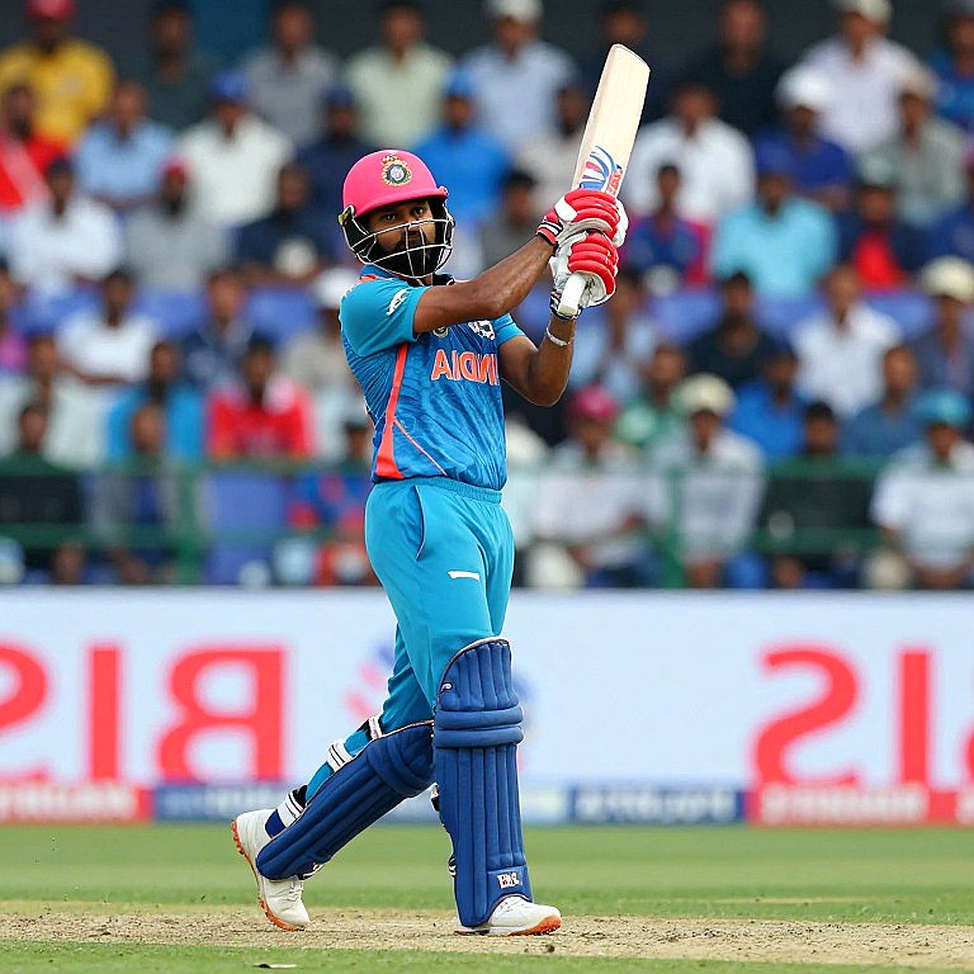
- The floodlights had only just settled over Mullanpur when it became clear which way the rhythm was leaning. A dry Punjab evening, a flat pitch and a light winter breeze — together they build an environment that is comfort for the batter and a test of patience for the bowler. When Shai Hope's bat turned towards the boundary again in the 47th over, I wrote one line in my notebook: the match was already gone, but the losing had begun much earlier, and I would have to walk back to find where. At the post-match presentation, Shubman Gill stood with no weight of defeat in his voice, only a quiet, calculating calm. The series was already secured, so for him this loss was not grief — it was a diagnosis. I follow the pulse before I write the paragraph, and that evening the pulse said the story was not in the result but in the process.
- This match belongs to an odd category: a series won, a match lost. The series outcome had been settled earlier, so the final ODI was a dead rubber — a meaningless game to the outside eye, a laboratory to the inside one. India batted first; West Indies chased and won. The manner of the defeat matters here: the batting did not collapse, the bowling and fielding did — in the closing phase. And that is precisely the phase Gill himself has marked on his CWC27 preparation list. In an ODI, the first 40 of 50 overs are often an accounting exercise; the real match is bound up in the last ten. That evening, those ten overs did not belong to India.
- Gill's remarks carry two signals, and both are about process. The first concerns the death overs: 'honestly, it is not clear whether we are attacking or defending' — meaning roles in the closing overs are undefined. The second is fielding: three or four catches went down, and he admitted the side was 'sloppy'. When a captain speaks this way after a series win, it is not result-driven leadership but process-driven leadership. In recent Indian cricket history, such honest self-criticism after a won series is rare; usually it arrives with a defeat. Here it arrived early, voluntarily.
- The death overs are overs 41 to 50 in an ODI — in the two-new-ball era, the highest-scoring and highest-pressure phase. Fielding restrictions apply, so four or five fielders sit near the boundary; a missed yorker becomes a boundary, a wide becomes an extra run plus extra pressure. 'Unclear roles' in this phase usually means three missing things: a designated closer, a pre-decided plan of yorkers and slower balls, and settled field settings. Oscillating between attack and defence means making a fresh decision every over — that is what makes a bowler uncertain, and the uncertain bowler concedes the most.
- What does role clarity actually look like? A bowler taking charge in the 45th over should own one defined weapon — a wide yorker, or a well-disguised cutter. The field setting should be pre-decided: long-off, deep point, fine leg — who stands where, who is trusted. If who is 'attacker' and who is 'defender' is not settled at the start of a series, it cannot be settled on the field. Gill's comment suggests that prior plan was missing. This is not a deficit of individual skill; it is a deficit of role allocation.
- Gill himself linked fielding to momentum. His logic is simple: dropping a catch breaks rhythm, and broken rhythm makes the bowler's job harder. That is the real trap of the death overs — before judging whether the bowling was poor, you must see how much support it had beside it. On a flat pitch the bowler does not fight alone; catches, run-outs and attacking rhythm fight with him. That evening, the absence of the second is what loomed large. Three or four dropped catches mean at least three or four extra lives; in the death overs one life often turns a match, and here it multiplied.
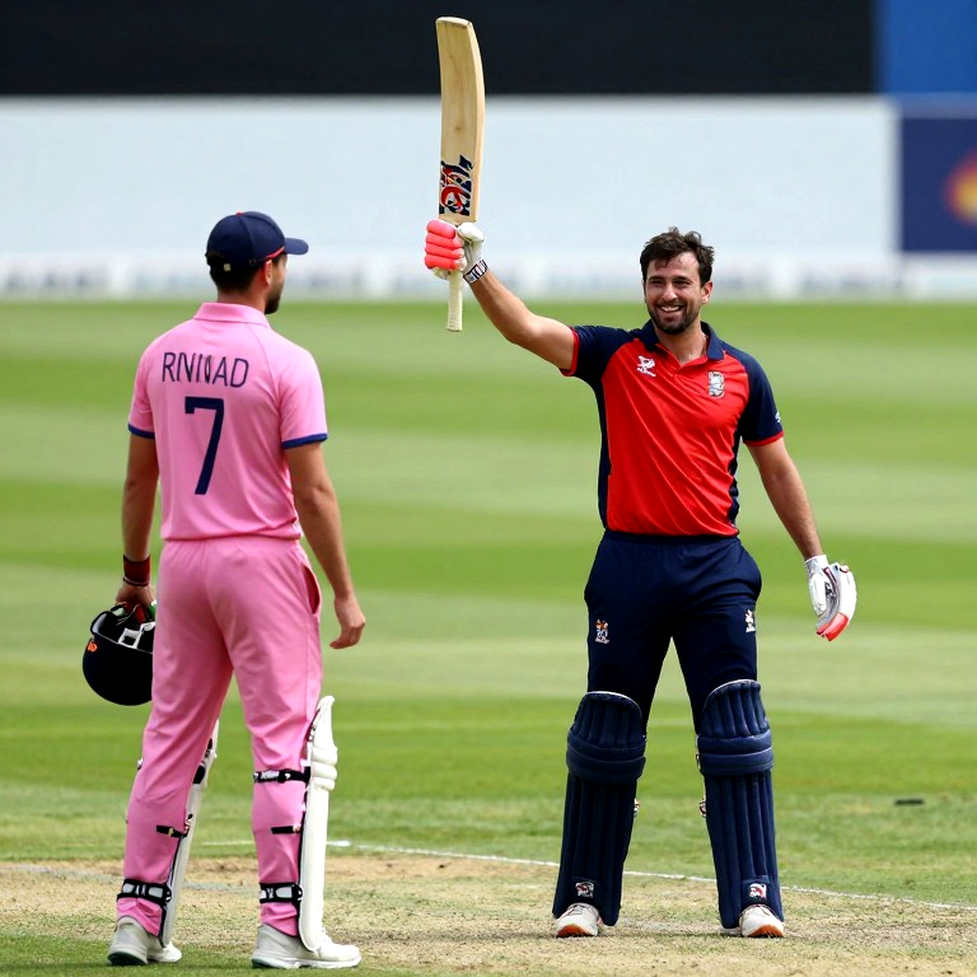
- The heaviest data point of the match is Hope's unbeaten 162. An unbeaten 150-plus innings in ODI cricket is a rare event, and when it comes in a chase, its weight doubles. West Indies built a record run-chase on that innings. India's death bowling, then, was broken by a world-class batter, not by a weak opponent — that distinction must stay in the assessment. Hope is primarily a wicketkeeper-batter, but here his contribution was pure batting; what he did behind the stumps is not in this report.
- On the Mullanpur pitch, Gill had one telling remark — if the wicket is not helpful for bowlers, conditions become difficult. The Maharaja Yadavindra Singh International Cricket Stadium is modern and generally batting-friendly. So the question stands: how much of the death-overs failure belongs to the pitch and how much to structure? Gill did not dismiss it as a one-off; he said it is an area the team needs to get better in. In a captain's language, that is the fear of repetition, not a single accident. The toss and any DLS role are not mentioned in this report, so I leave that part out of the calculation.
- Honesty about data matters. This report contains no batting average or strike rate for Gill, no series scoreline, no match aggregates. Apart from Hope's 162, there is virtually no complete statistic. So claims like 'is Gill in form or not' or 'India's death bowling has been poor for years' cannot be built on this material. Numbers have a heartbeat if you stand close enough — but here there are too few numbers to stand close to. What can be built is this: in a specific match, in a specific phase, a specific weakness surfaced, and the captain himself acknowledged it. The rest is inference, and passing inference off as fact is the worst offence in this work.
- Here I open my old notebooks. Bangladesh's cricket memory is the oldest data set we have — how often matches slipped away in the death overs at Dhaka grounds lives not only in scorecards but in memory. In 2026, covering matches for Prothom Alo, I learned that a match ends in the scorecard but the story ends in the stands. During the nine months I spent with Brentford in 2026-18, I learned how data blends into human decisions. At London fan zones during the 2026 Russia World Cup, I watched supporters talk tactics — just as Gill is talking tactics here. When the stadiums went quiet in 2026-21, I learned that the smaller rhythms can be heard too.
- A comparison from football helps. Under the five-substitute rule, big clubs have turned the final twenty minutes into a kind of war of attrition — deep squads confer an advantage, and that advantage seeps into results. The same logic holds in cricket's death overs, only the tool differs: there it is not bench depth but role clarity. A side whose death-overs unit has every job pre-assigned stays calm in the last ten overs. A side without it re-thinks every ball — and that is where matches slip away.
- Outside readings go wrong in several places. First error: 'India in crisis'. A dead-rubber loss does not fracture a team's structure, and Gill himself did not inflate the result — he said he was 'decently pleased' with the progress. Reaching for the word 'crisis' after one defeat is easy, but here it is unsupported. India won the series, and a home defeat on home terms is not a ranking-level event.
- Second error: 'West Indies are back'. One innings, one win — that is a data point, not evidence of a tier shift. The long decline of Caribbean ODI cricket is not erased by this match. Here lies the trap of the romantic narrative that 'a small side beat a giant'. That narrative conceals the financial inequality: West Indies cricket has struggled for a decade with money, central contracts and continuity. One record chase does not erase that structural weakness — sometimes it hides it, which is more dangerous still.
- Third, the most insidious trap: the habit of winning on flat home tracks. Winning on a surface unhelpful to bowlers is easy, but the soil of CWC27 will be different. A death-overs economy that looks good in home conditions changes on green or slow away pitches. So in future, away bowling data must be weighted more heavily than home data. Otherwise the preparation arithmetic tilts the wrong way.
- CWC27 — the 2027 ODI World Cup, in South Africa, Zimbabwe and Namibia. Gill anchors every remark to the World Cup horizon, so he is using this home series as a preparation laboratory. In dead rubbers, experimentation, rotation and new combinations are worth more than results. From here emerges the real question of the next series: who takes charge in the death overs, and does that responsibility belong to one bowler or the whole unit?
- One dark side of datafication also belongs here. Live scores and ball-by-ball updates are today the direct feed of betting companies. One innings, one dropped catch, one over's economy — all of it moves to market in real time. The faster cricket's emotion becomes data, the faster it also becomes a product. Watching the game, this cannot be forgotten — because the rhythm of the stands and the rhythm of the market are not the same, though both are born from the same ball.
- That evening at Mullanpur, as Hope batted through the closing overs, the rhythm shifted. There was a roar at the start, a kind of silence at the end. Indian supporters knew the series was theirs; still the defeat stung, because a home loss always stings twice over. That silence is Gill's real audience — because in the years ahead, on the nights of CWC27, exactly this rhythm will return, good or bad, and it will depend on today's fine-tuning.
- The takeaway is simple, but the signals are subtle. In the next ODI series, three things must be watched: economy in overs 41-50, the number of dropped catches per match, and what proportion of matches is played on bowler-friendly pitches. Gill himself has told us where the problem lies; now the question belongs to the team, and the time available is roughly three years. That evening at Mullanpur, then, was not a defeat — it was a question board, hung until CWC27, answering itself over by over.

Related Players
Popular Reads
Cricket's Information Crisis: Transfer-Window Rumours, the Verification Gap, and Blockchain's Promise2026-10-06
The Phone That Did Not Ring: Pakistan's T20I Leadership Reset, Dual Captaincy, and an Incomplete Ledger2026-10-06
The Clock in New Chandigarh: The Four Overs That Were Never Bowled2026-10-06
The List of Six: Bracewell's Casual Contract and New Zealand's Quiet Rebuild2026-10-06
The Mullanpur Clock: India Fined 20%, West Indies 10%2026-10-06
Hardik Pandya's IPL Trade Market: Pricing an All-Rounder Premium Against a Fitness Discount Before November 152026-10-06
Two Leaders Gone in Promotion Week: Kent's Empty Chair and Eight Wins in Eleven2026-10-05
Recommended
The Ranji Ledger: The Quiet Tempo of Red-Ball Cricket in the T20 Din2026-10-02
The Clause Confesses: How NOCs Quietly Rule Cricket's Contract Market2026-10-02
Blockchain Technology and Cricket Match Transparency2026-10-01
Michael Bracewell's Casual Contract: The Structural Crack Inside New Zealand's White-Ball Depth2026-10-06
A 61-Run Gold on the Neutral Soil of Nagoya: Timestamped Notes on the Asian Games Final2026-10-04
Empty Input, Incomplete Analysis: No Article Can Be Written Without Information Points2026-10-05
Khaled Ahmed's County Success and the Abu Dhabi Test: What Do 16 Wickets in Three Matches Really Say?2026-10-05
Recommended
The Ledger Keeps the Highlight, Never the Worker: Gulf Cricket, Tokens and Who Owns the Narrative2026-10-01
Adelaide's 36: The Countdown Started Long Before the Lights Came On2026-09-26
In Sylhet the Pitch Holds a River, but the Clock Wins the Match2026-09-29
The Names the Auction Never Calls2026-09-30
2026 World Cup Transfer Desk: Yamal's €1bn Clause, Twelve Expiring Contracts, and Dhaka's Visa-Denied Fans2026-10-01
The Transfer Window Ledger: Agent Commissions, Injury Risk and the Board's Silence2026-10-02
The 32-Ball Collapse: How Domestic Cricket's Wrong Rewards Explain Bangladesh's ICC Knockout Failures2026-09-29